
October 25, 2026
The best branded merchandise is something your customer uses every week: a drink bottle, a tote, a pen that writes well, a cap that fits. This guide gives you real examples of promotional products by category. It shows which suit which goal, and how to pick one without wasting budget.
We have grouped the examples the way buyers actually shop: by what the item does, who receives it and where it is handed out.
TL;DR
- Choose useful items over novelty items. Things that solve a daily problem get kept and seen.
- Match the item to the moment: apparel for staff and teams, drinkware for clients, bags for events, pens and confectionery for wide, low-cost reach.
- Sustainable materials now matter to a majority of Australian buyers, and some government and university buyers require them.
- Decoration method changes the result. Embroidery suits polos, laser engraving suits metal drinkware, and digital print suits small runs.
- Start with your budget per person, then work back to the product.
Table of Contents
- Why branded merchandise still earns its place
- Branded apparel examples
- Branded drinkware examples
- Branded bags and carry items
- Pens and stationery examples
- Tech accessories
- Confectionery and food examples
- Eco-friendly examples
- Event and point-of-sale examples
- Local and hyperlocal ideas
- Which example suits which goal
- Choosing the right decoration method
- Our point of view
- How we can help
- A simple way to choose
- Common mistakes to avoid
- FAQ
- Sources
Why branded merchandise still earns its place
Branded merchandise is a large market here. APPA reports that $9 billion was spent on branded merchandise in Australia and New Zealand in 2025. About $3.8 billion of that was promotional products. The other $5 billion was licensed merchandise.
The reason is simple. A good item keeps your name in front of a person for months. APPA research found that 58% of people keep a promotional item for one to more than four years. It also found that 79% of recipients are more likely to do business with a brand after receiving a useful product.
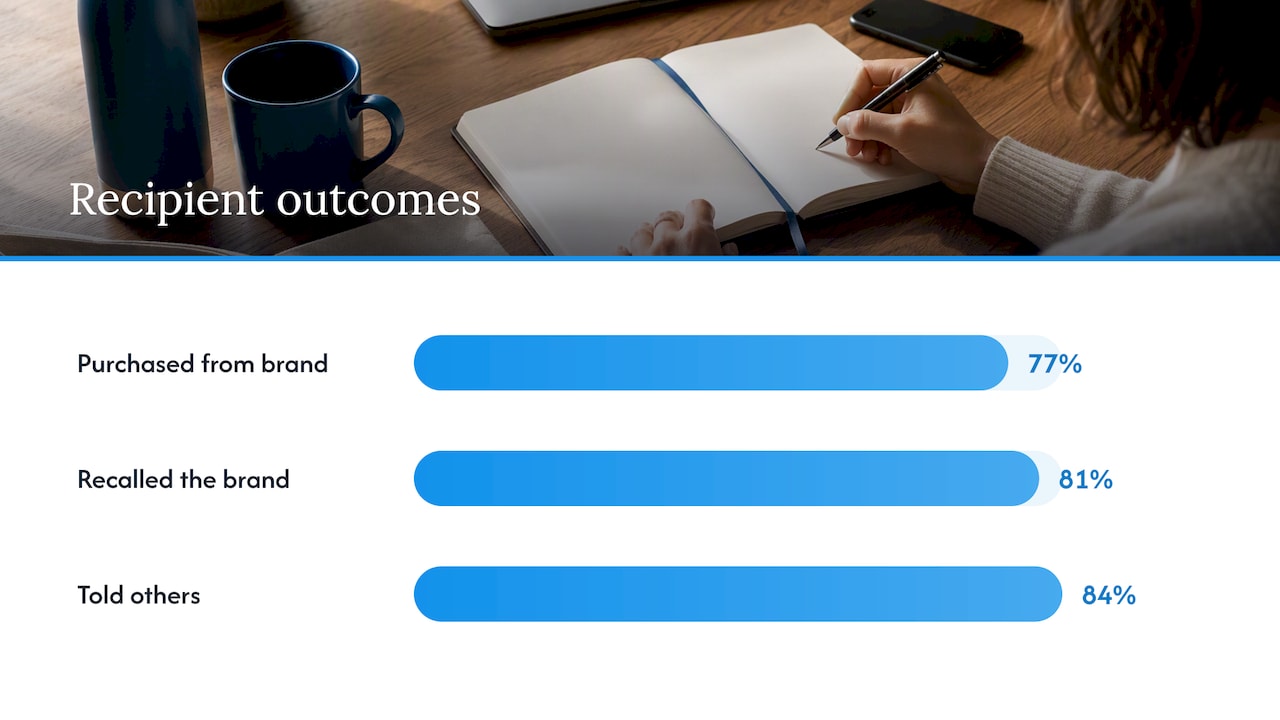
More recent figures point the same way. In APPA’s 2025-2026 industry research, 77% of recipients went on to purchase from the brand. 81% could recall the brand on merchandise they had received. 84% told others about a brand after receiving an item.
The word that matters in all of this is useful.
Branded apparel examples
Apparel turns your team and your customers into walking signs. It is also the category where quality shows most.
T-shirts. The classic. Good for events, fun runs, volunteer groups and staff days. Cotton or recycled blends both work. Our Tin of Tees is one example of how a tee can be packaged as a giveaway.
Polo shirts. The standard for front-of-house staff, trades and sales teams. Industry reporting notes that embroidery is now preferred for premium polos and workwear.
Hoodies and jackets. Strong for winter campaigns, new-starter packs and loyalty rewards. They are worn often, so they carry your logo further.
Caps and headwear. A low-cost way to dress a crowd. Caps suit sporting clubs, outdoor events, councils and tradies. In Australia, they also have a practical sun-safety use.
Socks, scarves and beanies. Less common, so they stand out. Good for staff gifts and seasonal promotions.
When apparel works best
Choose apparel when you know sizes, or when you can offer one-size items like caps and beanies. If you do not know your audience, pick another category.
Branded drinkware examples
Drinkware sits on a desk, in a car or in a gym bag. That makes it one of the most visible categories.
- Stainless steel drink bottles. Insulated bottles feel premium and last for years.
- Reusable coffee cups. Good for cafe-heavy city audiences and office teams.
- Ceramic and enamel mugs. A safe client gift. Everyone has a kitchen cupboard.
- Tumblers. Suit gifting and conference packs.
- Stubby holders. Cheap, cheerful and very Australian. Good for barbecues, club nights and sporting events.
- Wine carriers and glassware. Suit wine retailers, venues and hospitality.
Industry reporting describes laser engraving as the gold standard for drinkware and metal gifts. It does not wear off, which matters for items that are washed again and again.
You can browse our promotional drinkware range for bottles, cups and mugs.
Branded bags and carry items
Bags travel. A tote seen on a train, at a market or in a supermarket gets your brand in front of people who have never met you.
- Calico and cotton totes. The default event bag. Cheap, large print area, reusable.
- Non-woven shopping bags. Good for retail and expos.
- Backpacks and satchels. Better for conferences, universities and new-starter kits.
- Drawstring bags. Suit gyms, schools and sports clubs.
- Cooler bags. Popular for summer events, real estate open days and community days out.
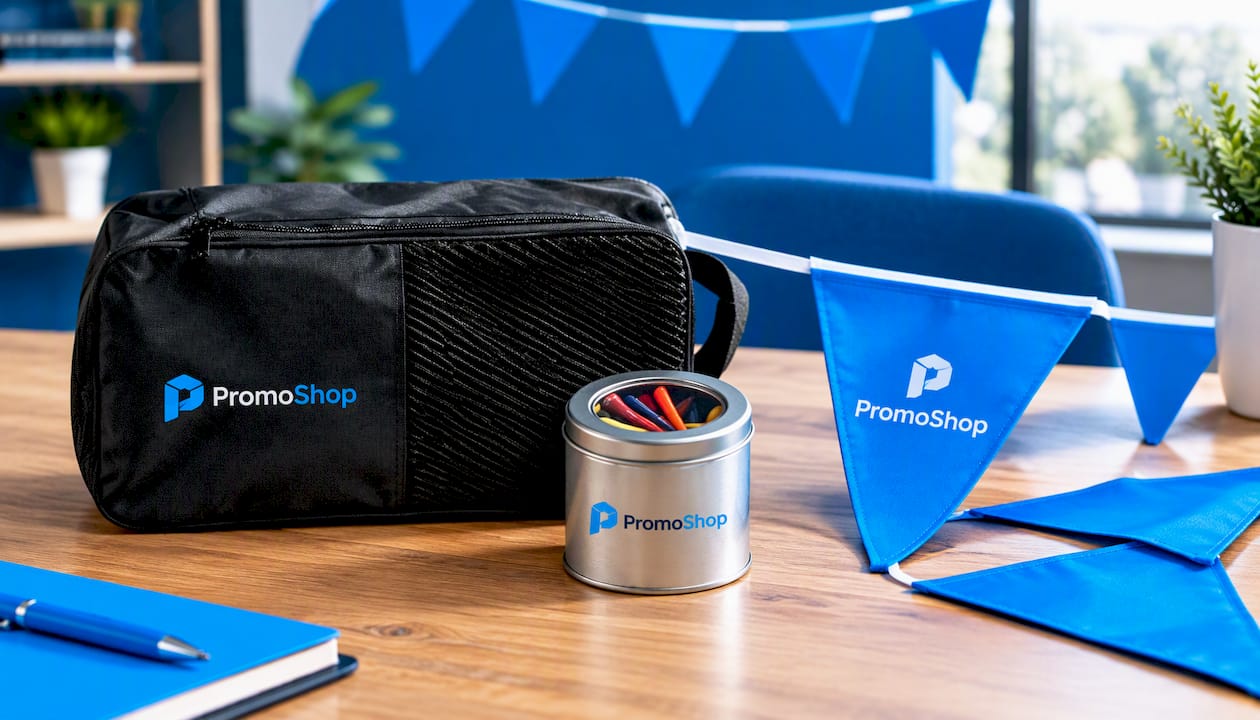
- Shoe bags. A practical item for travel, gyms and sports. Take a look at our Shoe Bag.
A bag with a clear daily use gets reused. A bag that tears after one trip does not. Pay a little more for stitching and fabric weight.
Pens and stationery examples
Pens are the original promotional product, and they still work. They are cheap, easy to post and loved by almost every office.
- Plastic click pens. The budget workhorse for large handouts.
- Metal and soft-touch pens. A better feel, suited to client meetings and signing days.
- Notebooks and journals. Good for conferences, training days and new-starter packs.
- Sticky notes and notepads. Sit on desks for months.
- Desk calendars and planners. Strong with professional services, where they stay in view all year.
- Mouse pads and desk mats. A large surface for your logo.
If you are giving away large quantities, our promotional products under $2 page is a good starting point.
Tech accessories
Tech items solve a daily problem, which is exactly why they are kept.
- Power banks. Industry reporting points to branded power banks for hybrid workers as a strong example of a useful item.
- Phone stands and pop sockets. Small, light and cheap to post.
- Wireless chargers. A premium desk item for clients.
- Cable organisers and charging cables. Low cost, high use.
- Bluetooth speakers. A bigger gift for top clients or staff awards.
- Webcam covers and screen cleaners. Tiny, cheap and handy.
Confectionery and food examples
Promotional confectionery is the fastest way to say thanks. Nobody has to keep it, but everybody opens it.
- Branded mints and lollies. Good for reception desks, trade stands and shopfronts.
- Chocolates. Suit end-of-year gifts and client thank-yous.
- Custom-wrapped sweets. Good for weddings, launches and corporate events.
Confectionery is a short-term reminder. Pair it with something longer-lasting if you want recall beyond the day.
Eco-friendly examples
Sustainability is no longer a niche request. APPA’s 2025-2026 research reports that 55.8% of Australian buyers rate it as important or extremely important when selecting promotional merchandise. Industry reporting adds that government bodies, councils and universities increasingly set sustainable materials as a procurement requirement.
Examples that fit:
- Bamboo pens, cutlery sets and notebook covers
- Recycled PET totes and bottles
- Organic cotton tees and bags
- Seed paper and recycled paper stationery
- Reusable straws, cups and food containers
If you sell to councils, universities or government, ask about materials before you ask about price.
Event and point-of-sale examples
Events need items that are cheap, visible and easy to carry.
- Bunting and banners. Dress a stall or a venue in your colours. See our Bunting.
- Table covers and flags. Make a trade stand easy to spot.
- Lanyards and badge holders. Common at conferences.
- Wristbands. Quick, cheap and useful for access control.
- Sunscreen, lip balm and sun-smart items. Good for outdoor and coastal events.
- Display stands and counter units. For retail and point of sale.
Business Queensland explains that trade shows and exhibitions put you in front of buyers, distributors and media from a specific industry. That is where a stand-out giveaway earns its cost.
Local and hyperlocal ideas
Generic items blend in. Items tied to place or purpose stand out. Industry commentary notes that regional businesses, such as wine retailers or coastal event organisers, see higher engagement with items tailored to their setting. Branded wine carriers and sun-smart accessories are examples.
The same thinking applies to gifts. Look at how regional photography in Australian gifts connects a product to a place. Niche audiences respond to niche items too, as custom engraved drumstick ideas show for musicians. Ask what your audience does all day, then make something for that.
Which example suits which goal
| Goal | Good examples | Why they work |
|---|---|---|
| Wide reach at an expo | Pens, totes, lollies, lanyards | Cheap, easy to hand out |
| Thank your best clients | Insulated bottles, journals, wireless chargers | Feels premium, used daily |
| Dress your team | Polos, caps, hoodies | Worn in public, builds unity |
| Welcome new staff | Notebook, bottle, tee, power bank | A set that is used at work |
| Sell to councils or universities | Recycled PET and bamboo items | Meets sustainability rules |
| Outdoor or summer event | Caps, cooler bags, sunscreen, stubby holders | Fits the conditions |
Choosing the right decoration method
The same product can look cheap or smart depending on how the logo goes on. Industry reporting sums up the current picture:
- Screen printing is still used for large volumes.
- Embroidery is preferred for premium polos and workwear.
- Laser engraving is the gold standard for drinkware and metal gifts.
- Digital printing makes short runs with fine detail possible for small businesses, often faster than traditional bulk methods.
Keep your logo simple. Fewer colours print cleaner and cost less. If you do not have print-ready artwork, ask us. Free artwork design is part of what we do.
Our point of view
We have supplied branded merchandise to Australian businesses for over 25 years. Here is what we tell customers.
Start with use, not looks. Ask what your customer does on a normal day. Then pick the item that fits into it. A bottle on a desk beats a gadget in a drawer.
Buy fewer, better items. A well-made item gets used. A flimsy item gets binned, and your logo goes with it.
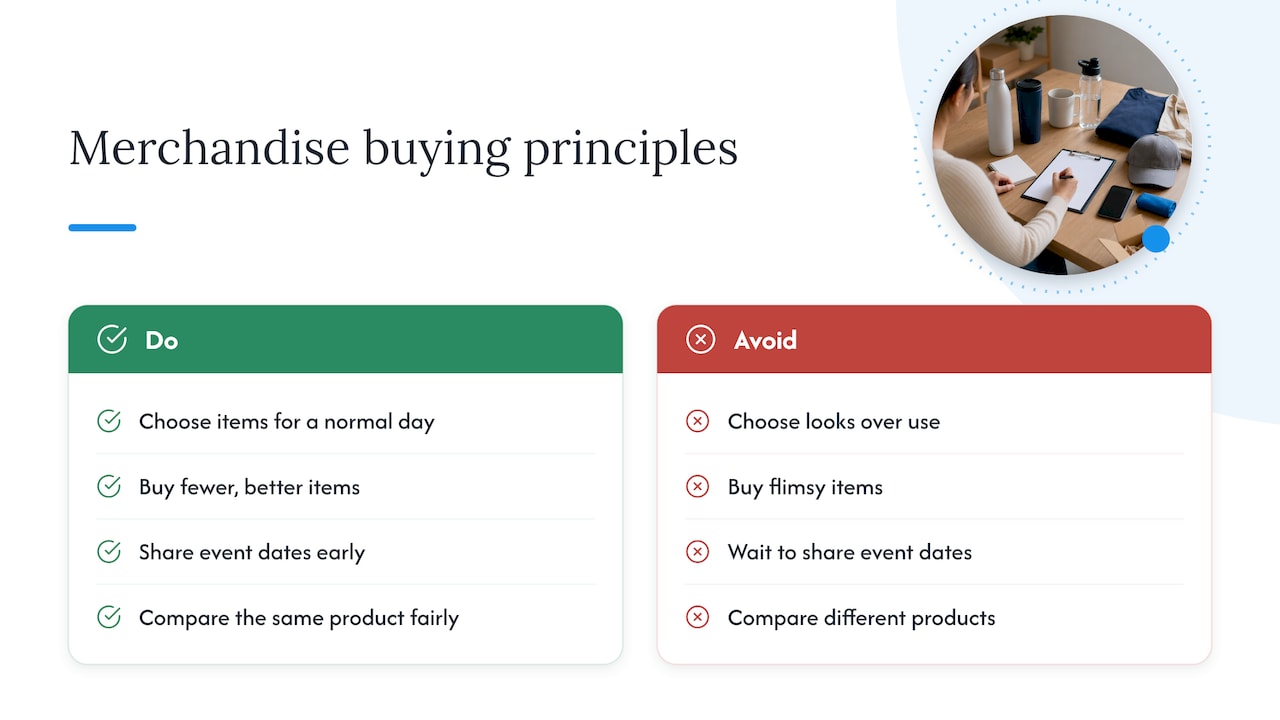
Plan for time. Events have fixed dates. Tell us your date first, and we will tell you what is possible. Our Express Service exists for tight deadlines.
Compare fairly. We source factory-direct through a global supply chain, which keeps quality steady and prices competitive. If you find a lower price on the same product, our Price Beat Guarantee applies.
— PromoShop
How we can help
You do not need to know exactly what you want. Tell us your audience, your budget per person and your date. We will suggest items from our range, which includes clothing, bags, drinkware, pens, office products, caps, corporate gifts and awards, and point of sale.
Our team can add your logo through custom branding, prepare your artwork for free, and speed up delivery with our Express Service. You can also shop by budget: under $2, under $10 or under $20.
Ready to start? Browse the PromoShop range and request a quote.
A simple way to choose
- Set a budget per person. Not a total. This tells you which categories are open to you.
- Name the moment. Expo, client thank-you, staff welcome, fundraiser.
- Pick one useful item. Then add a second only if it adds value.
- Check the materials. If your buyer cares about sustainability, choose recycled or natural materials.
- Confirm artwork and deadline. Send your logo early. Allow time for a proof.
- Order a little extra. Late additions to a team or guest list are common.
Local supply
If you prefer to talk to someone near you, we have pages for Sydney, Melbourne, Brisbane, Perth and Adelaide.
Common mistakes to avoid
- Chasing the lowest price. A cheap item that breaks reflects on you.
- Using too many colours. It raises cost and can blur small text.
- Ignoring the recipient. A tee in the wrong size is wasted.
- Leaving it too late. Rush orders limit your choices.
- Choosing novelty over use. Industry reporting describes the shift to utility-first products. Items that solve a daily problem last longer than stress balls and plastic trinkets.
FAQ
What are the most popular branded merchandise examples?
Pens, tote bags, drink bottles, mugs, caps, t-shirts and polos remain the most common. Tech items such as power banks are growing. Which one suits you depends on your audience and budget per person.
What is the best branded merchandise for a small business?
Start with something low-cost and useful, such as pens, totes or bottles. They reach many people for a small spend. Our budget pages for items under $2, $10 and $20 help you narrow it down.
Do people really keep promotional products?
Yes, when the item is useful. APPA research found that 58% of recipients keep an item for one to more than four years. Useful items are kept far longer than novelty ones.
What merchandise suits a corporate gift?
Choose quality over quantity. Insulated bottles, journals, wireless chargers and engraved metal items feel considered. Laser engraving gives a clean finish on metal.
Can I get eco-friendly branded merchandise?
Yes. Bamboo, recycled PET and organic cotton are common choices. Ask about materials when you request a quote, especially if your buyer is a council, university or government body.
Sources
- Making an Impression: The $9 Billion Footprint of Branded Merch in Australia and New Zealand, APPA
- APPA Industry Research 2025-2026
- Australian Awards for Promotional Products Marketing Excellence Guide, APPA
- The Australian Branded Merchandise Industry: Key Stats, Trends and Insights
- Promotional Products Trends in Australia 2026
- Using trade shows, exhibitions and other events, Business Queensland